Google TPUs: arquitetura, gerações e modelos

Google TPUs: architecture, generations, and models

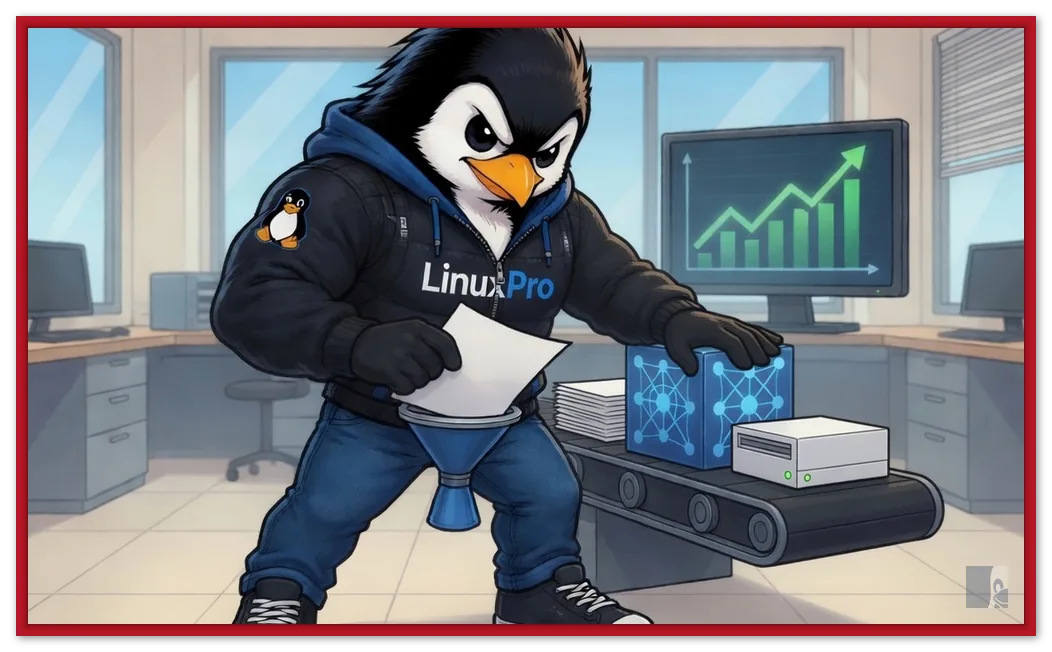
Around 2013, Google ran the calculation that alarmed Mountain View: if every Android user used Search’s voice commands for three minutes a day on x86 CPUs, the company would have to double its data centers just for inference. Consumer GPUs were still adapted gaming cards. The answer was … Read more
Como a DeepSeek reescreveu o Transformer

How DeepSeek rewrote the Transformer

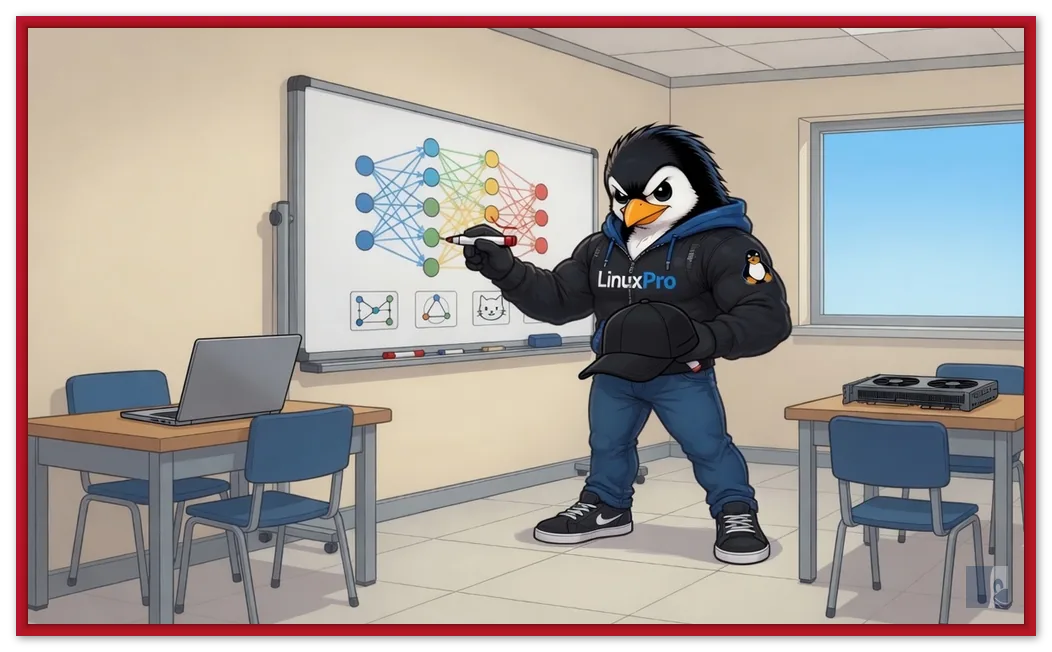
In January 2025, DeepSeek released R1 (and, weeks earlier, V3), competing with o1 and GPT-4o in reasoning — at a fraction of the training and inference cost. The weights were released openly. The trick is not a dataset trick: it is a rewrite of the Transformer’s core, Multi-Head Latent Attention … Read more

Servidor de IA recondicionado com 64 GB de VRAM

Refurbished AI server with 64 GB of VRAM

VRAM determines the model. Dense Qwen 27B–32B, quantized Llama 70B, Mixtral 8×7B — these require 32 to 64 GB, not the 24 GB of a 4090. Engineer Donato Capitella, with Bargain Hardware, built a refurbished Supermicro with four data center GPUs (64 GB total) for around £2,000 and benchmarked V100, P100 … Read more

Como funcionam as placas de vídeo

How graphics cards work

How many calculations does a graphics card perform per second to draw a Cyberpunk frame or train a network? Branch Education took apart an RTX 3090 — literally — and reconstructed the GA102 die in 3D. This article follows the video How do Graphics Cards Work? Exploring GPU Architecture. The generation … Read more

Machine Learning de ponta a ponta

Machine Learning from end to end

Programming is: data + rules → answer. Pricing a house, recognizing a face, understanding Portuguese — manually written rules cannot handle it all. Machine Learning reverses the equation: data + example answers → the model (the rules). This article follows KodeKloud’s course How Machine Learning Works, End to End: from spreadsheets to ChatGPT, the cycle … Read more

Deep Learning para iniciantes

Deep Learning for beginners

Jason Dsouza’s Deep Learning Crash Course for Beginners on freeCodeCamp maps the territory: what DL is, how a network learns, the vocabulary (loss, Adam, epoch), and the three architecture families. This article condenses the course. The math underneath — MatMul, GPU — is covered in GPU vs TPU; the … Read more

O que é uma rede neural?

What is a neural network?

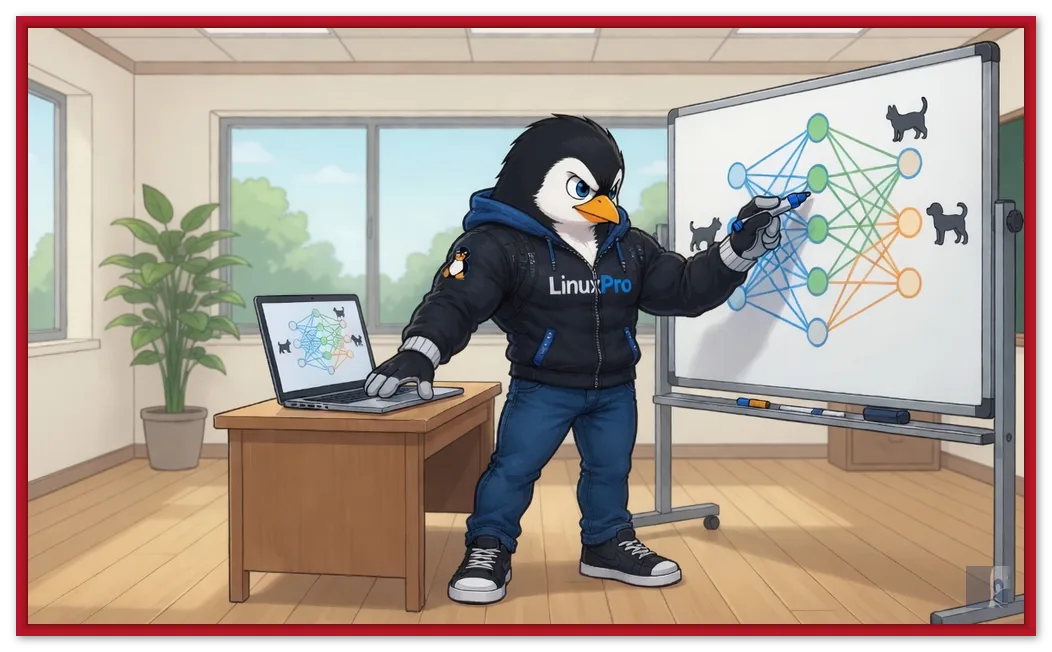
Recognizing a scribbled 3 in 28×28 pixels is instant for you. Writing an if/else that does the same — a curve here, a stroke there, and what if it is crooked? — is a nightmare. The neural network in But what is a neural network? from 3Blue1Brown (Grant Sanderson) breaks it down: it is not magic, but a function with … Read more

GPU vs TPU: como os chips de IA funcionam

GPU vs TPU: how AI chips work

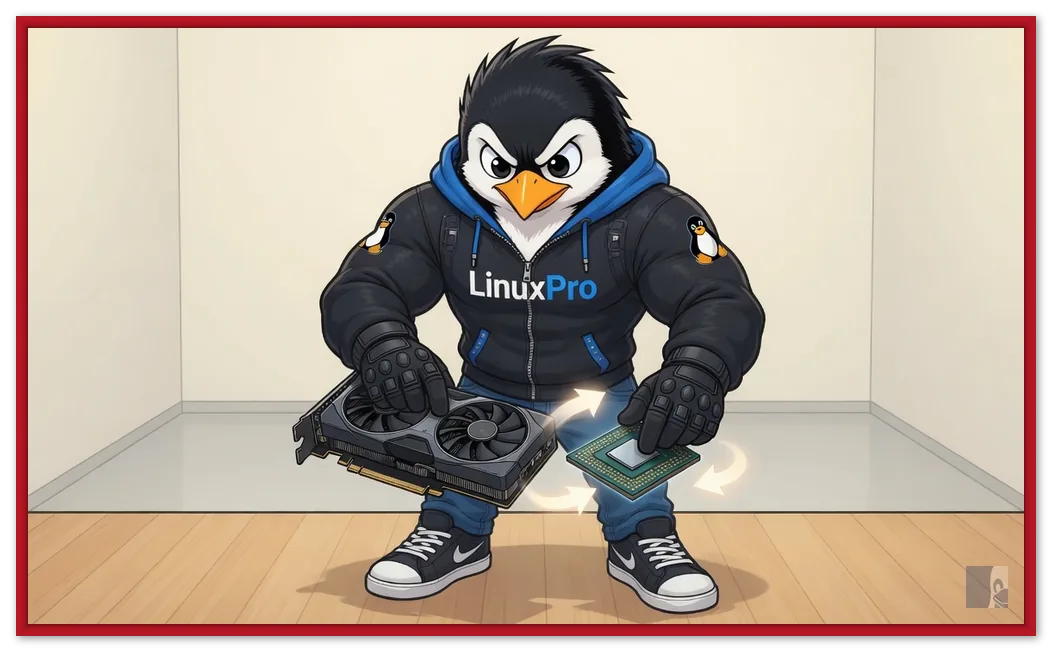
Behind every ChatGPT token, every Sora frame, and every LLM you run in Ollama, an accelerator performs the same calculation trillions of times: matrix multiplication. The two ways to do this in silicon — GPU (NVIDIA) and TPU (Google) — start from opposing philosophies. This article … Read more

llama-model: gerencie modelos GGUF e o llama-server sem o daemon do Ollama

llama-model: manage GGUF models and llama-server without the Ollama daemon

If you run AI models locally with llama.cpp / llama-server, you know the pain: download GGUF by hand, edit the configuration, restart the service, and hope the model starts. llama-model solves this — a Go CLI, one static binary, that manages your model collection and the llama-server service without needing the daemon from … Read more