
OpenObserve vs ELK/Kibana: benefits and limits
Compare OpenObserve and Elastic: storage, costs, SQL, dashboards, security, licenses, and a proof-of-concept and migration roadmap.
Compare OpenObserve and Elastic: storage, costs, SQL, dashboards, security, licenses, and a proof-of-concept and migration roadmap.
Install RustFS on Linux with binary and systemd or Docker Compose: S3 API, persistence, TLS, IAM, upload and download tests, backup and operation.

After exploring OpenObserve and its unified platform for logs, metrics, and traces, the next step is to run it on a dedicated Ubuntu server without Docker. This guide installs the official binary as a systemd service, keeps OpenObserve's port on loopback, exposes the interface through nginx with TLS, and explains when to use local storage … Read more

When a service starts failing, the signals are usually scattered: metrics in Prometheus, logs in another backend, traces in a third tool, and alerts without context. OpenObserve aims to bring this work together in an open-source platform for logs, metrics, traces, RUM, dashboards, alerts, and incidents. Written in Rust, it queries logs and traces with … Read more
Install Ansible on Ubuntu, set up inventory and an SSH key, run ad-hoc commands, and write your first playbook with a variable, template, and handler, simulating before applying. Everything was tested with ansible-core 2.21.

Prepare for LPI DevOps Tools Engineer 701-200 with official resources, a study plan, and a lab covering Git, Docker, tests, and CI.

On October 8, 2011, Dmitriy Zaporozhets made GitLab’s first commit. His home in Ukraine had no running water; the community well was the smaller problem — what he lacked was a Git tool he could change. Ruby on Rails, inspired by GitWeb, built with Valeriy Sizov. Fifteen years later, GitLab 19.3.1 … Read more
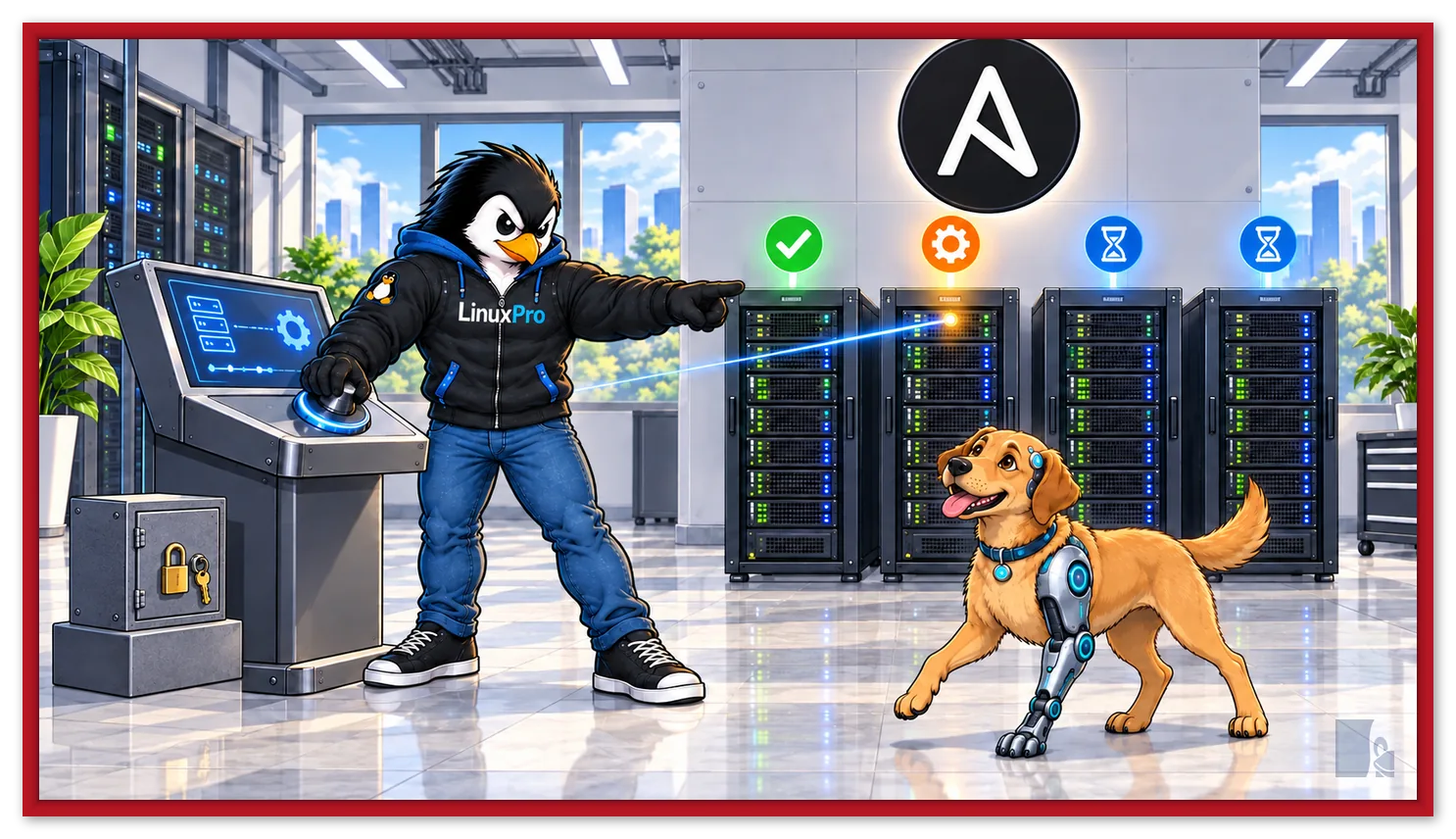
Complete and tested Ansible project: inventory with groups, ufw, Nginx with template and handler that tests the configuration, password in ansible-vault and rolling update that stops by itself if a server doesn't come back.
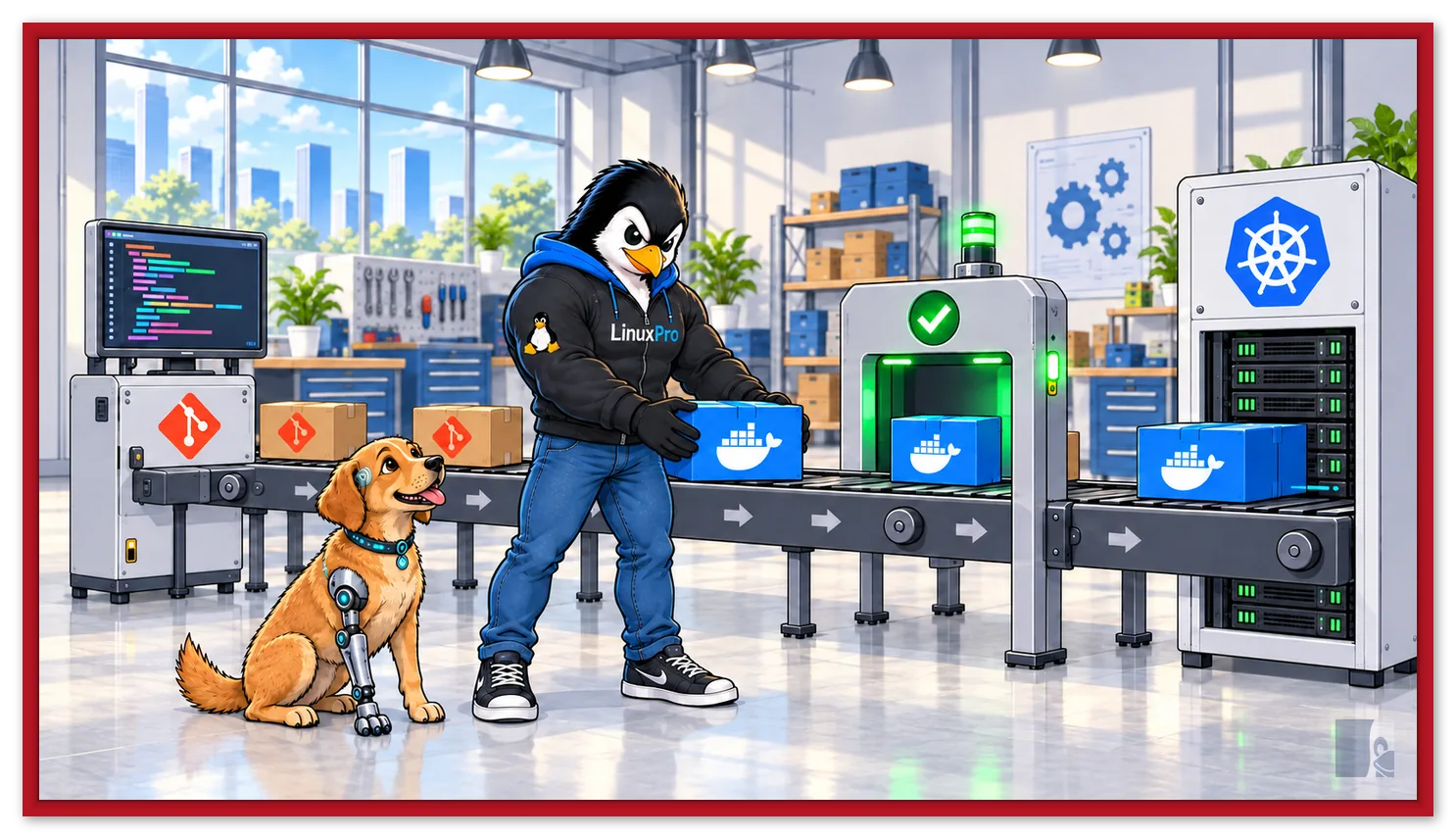
CI/CD is not a product. It's the habit of integrating, testing, and releasing software in short cycles, with as many automated steps as possible. The “merge day” of 2019 is still the antipattern. What has changed is where the YAML lives, … Read more

Infrastructure as code only becomes routine when plan and apply run in the same place as the code. In GitLab, that fits in a .gitlab-ci.yml: each push generates a plan, the merge request shows the diff, and the … Read more