go-glpi-agent: inventário para GLPI 10+ sem Perl

go-glpi-agent: inventory for GLPI 10+ without Perl

Asset inventory only works when the agent can run across the entire fleet, reliably identify each machine, and deliver data that GLPI understands. go-glpi-agent is a Go reimplementation of the FusionInventory/GLPI ecosystem's inventory agent: a static binary that collects hardware and software information locally and sends the results to … Read more

OpenObserve no Ubuntu: servidor dedicado, S3, GCS, OCI e MinIO

OpenObserve on Ubuntu: dedicated server, S3, GCS, OCI, and MinIO

After exploring OpenObserve and its unified platform for logs, metrics, and traces, the next step is to run it on a dedicated Ubuntu server without Docker. This guide installs the official binary as a systemd service, keeps OpenObserve's port on loopback, exposes the interface through nginx with TLS, and explains when to use local storage … Read more

OpenObserve: logs, métricas e traces em uma plataforma

OpenObserve: logs, metrics, and traces in one platform

When a service starts failing, the signals are usually scattered: metrics in Prometheus, logs in another backend, traces in a third tool, and alerts without context. OpenObserve aims to bring this work together in an open-source platform for logs, metrics, traces, RUM, dashboards, alerts, and incidents. Written in Rust, it queries logs and traces with … Read more

A história da linguagem Go

The history of the Go language

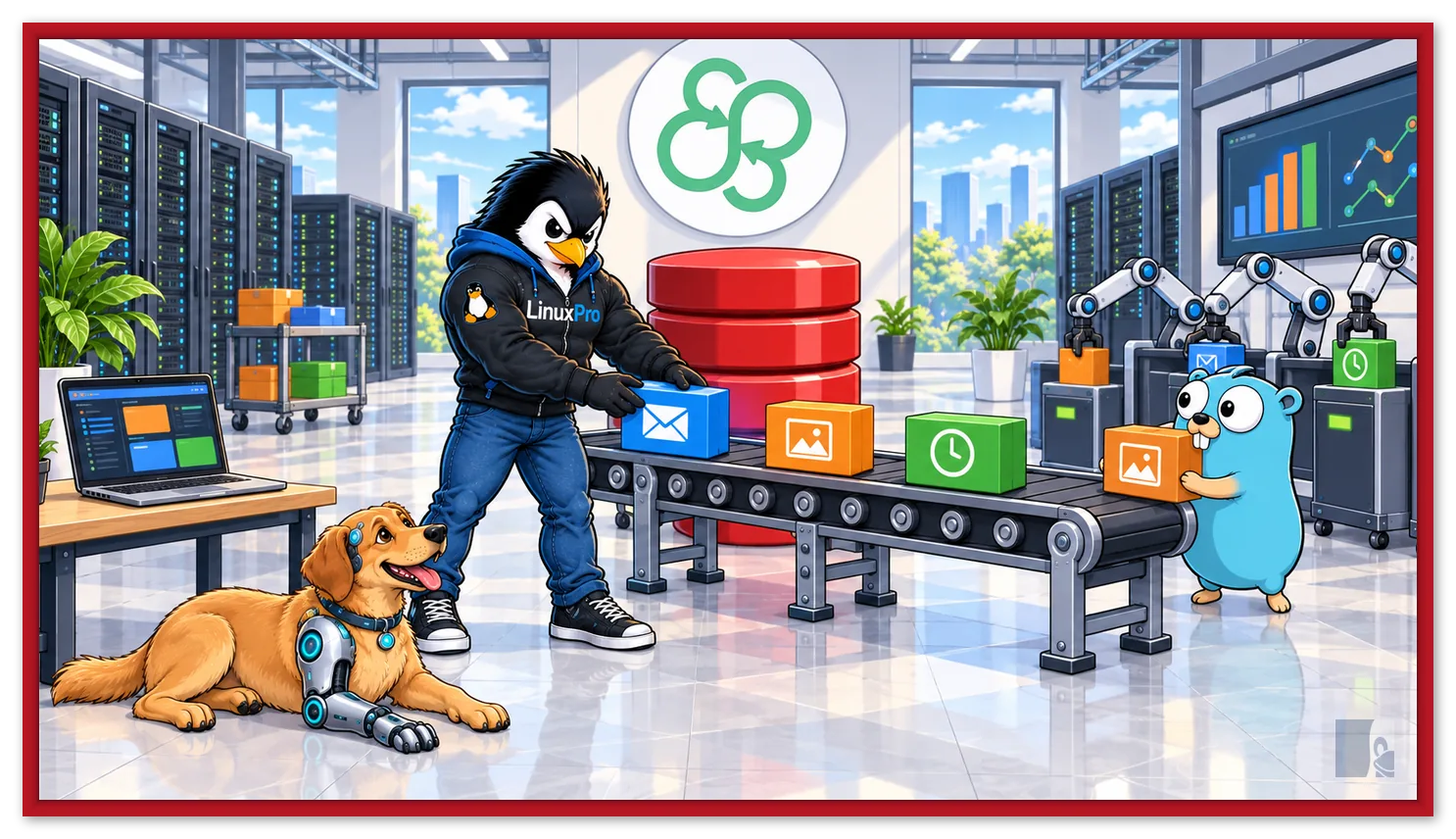
Go began on a Google whiteboard on September 21, 2007, because C++ took too long to compile. In November 2025, the language marked 16 years of open source development. In September 2026, the stable release is 1.27.1. Docker, Kubernetes, Terraform, the go you install on Linux — all of it descends … Read more